news
Why the Bill of Rights Is a Story of 10—and So Was This Powerball Draw
Why 10 defines the Bill of Rights—and how it reappeared by chance as the Powerball drawn on September 19, 2026.
One of the most recognizable numbers in American civic history is 10. The Bill of Rights is the first 10 amendments to the United States Constitution, giving that number a permanent place in the structure and common name of a foundational American document.
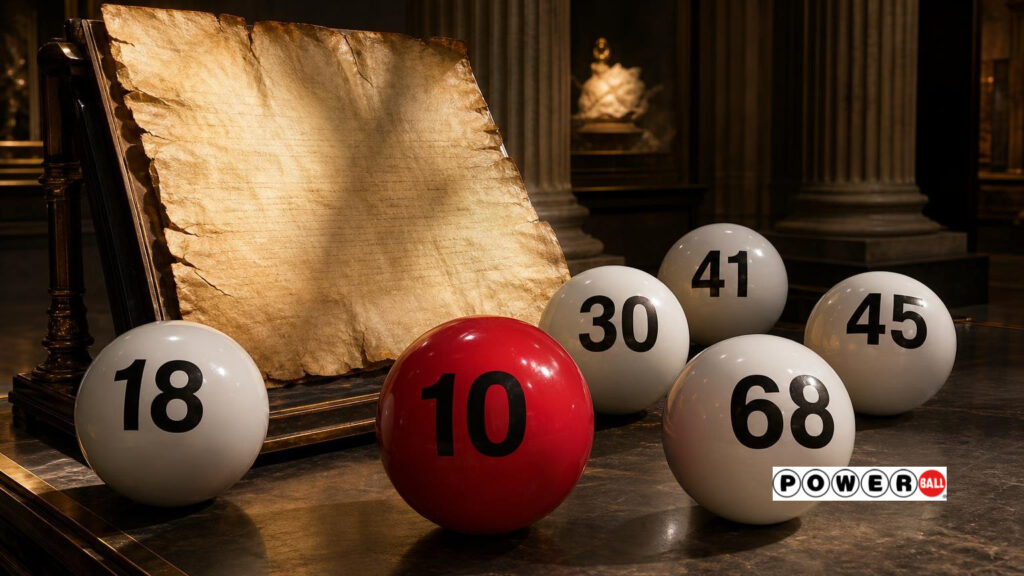
Then 10 appeared in a completely different setting: as the Powerball drawn on September 19, 2026. The main numbers were 18, 30, 41, 45 and 68, and the Powerball was 10. The published jackpot label was $298 Million.
That match creates a timely doorway into the story of the first 10 amendments. It does not create a historical signal, prediction or connection beyond the number itself. The Bill of Rights gives 10 its civic meaning; the random lottery draw merely placed the same number in view again.
How 12 proposals became the first 10 amendments
The familiar total was not the total originally proposed. Congress proposed 12 amendments in 1789. Of those, 10 were ratified in 1791, forming what Americans know as the Bill of Rights.
Those two totals—12 proposed and 10 ratified—are the essential numerical framework of the story. The larger number belongs to the proposal stage. The smaller number belongs to the ratified group that became the first 10 amendments to the Constitution.
That sequence is why 10 carries more weight here than a number appearing in isolation. It describes the final structure of the Bill of Rights itself. Say the document’s common name, and the idea of those first 10 amendments is built into it.
Readers can examine the document and its official historical presentation through the U.S. National Archives — The Bill of Rights. That official source provides the appropriate starting point for the civic history behind the number.
Why 10 remains culturally memorable
Numbers become memorable when they organize a major subject into a form people can readily recognize. In this case, 10 is not a nickname added later for convenience. It is the actual count of the Constitution’s first amendments that were ratified together in 1791 and came to be known collectively as the Bill of Rights.
The number therefore works almost like a compact piece of civic memory. The date 1789 identifies when Congress proposed 12 amendments. The date 1791 identifies when 10 were ratified. And 10 identifies the structure that endured in the document’s common name.
That makes the number especially suited to an America Through Numbers story. A single integer can open a path into the difference between what was proposed and what was ratified, while keeping the focus on verified milestones rather than legend or coincidence.
The same number, but an entirely different role
In the Powerball drawing, 10 had no civic function. It was the special ball in a random draw. Its appearance did not commemorate the amendments, reflect their history or make the result more meaningful in lottery terms.
The distinction matters. In the Bill of Rights, 10 is meaningful because it counts the first amendments to the Constitution and is embedded in the structure of a foundational civic document. In the September 19, 2026 drawing, 10 is simply the value selected as the Powerball alongside main numbers 18, 30, 41, 45 and 68.
That contrast is precisely what makes the overlap interesting without making it mystical. One use of 10 is historical and structural. The other is random and momentary. The number looks identical in both places, but the reason it appears—and what it can tell us—is completely different.
A draw detail that points beyond the results
The complete drawing can be checked on the Powerball results page, while earlier drawings are available in the results archive. Those records establish the lottery side of the numerical match without turning coincidence into causation.
Lottery numbers can also be interesting because of the meanings people attach to them before or after a draw. Birthdays, milestones and historical totals may make certain values easier to remember, but those associations do not change the random role of a number in an official result.
See the patterns behind the numbers people choose.
For this drawing, 10 offers a clear example of two numerical worlds meeting briefly. In American civic history, it identifies the first 10 amendments ratified in 1791 after Congress proposed 12 in 1789. In Powerball, it was the special ball drawn on September 19, 2026. The overlap is real, memorable and entirely coincidental.
A couple of useful follow-ups
Why is 10 associated with the Bill of Rights?
The Bill of Rights consists of the first 10 amendments to the United States Constitution.
How many amendments did Congress originally propose in 1789?
Congress proposed 12 amendments in 1789. Ten were ratified in 1791.