How Lottery Result Corrections and Delayed Updates Work
Result Accuracy Most lottery results are published quickly, but speed and completeness are not always the same thing. A page may first show the winning numbers and later…
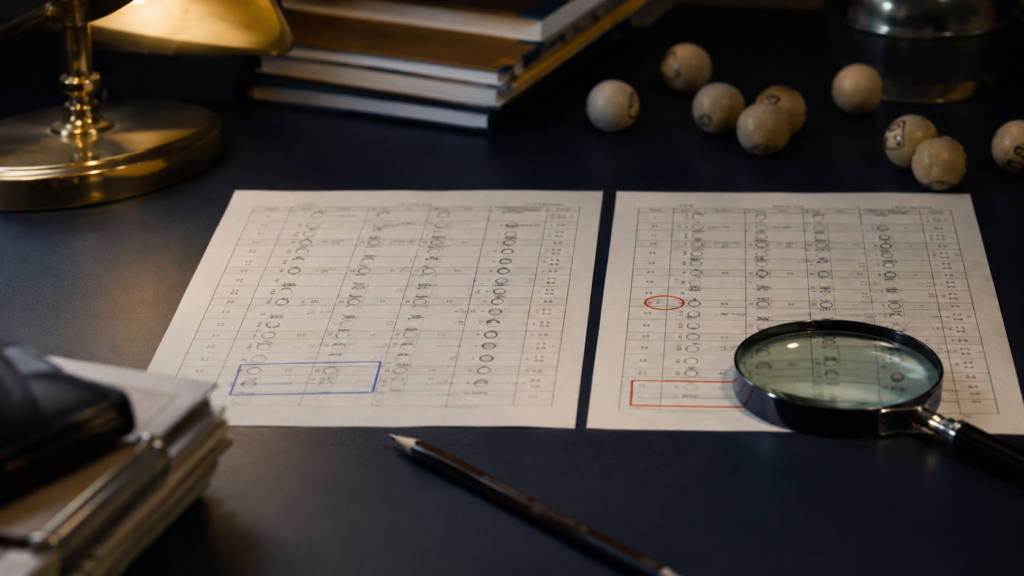
Most lottery results are published quickly, but speed and completeness are not always the same thing. A page may first show the winning numbers and later add a multiplier, jackpot estimate, prize breakdown or correction notice. Understanding that process helps readers distinguish a normal update from a genuine result change.
Preliminary results versus complete results
A preliminary result may contain only the main draw numbers. A complete result can include additional information such as the special ball, multiplier, estimated jackpot, prize tiers and official links.
The word “preliminary” does not automatically mean the numbers are unreliable. It means the page may still be waiting for supporting data or final confirmation.
| Stage | Typical information |
|---|---|
| Initial update | Main numbers and special ball, when available. |
| Expanded update | Multiplier, jackpot estimate, sum or range details. |
| Final verification | Official confirmation, prize counts or correction note. |
Fields that may be delayed
Some data is not always published at the exact moment the numbers appear. Common examples include:
- Power Play or Megaplier values;
- final sales-adjusted jackpot estimates;
- cash-value estimates;
- number of winners in each prize tier;
- official draw video or downloadable report;
- jurisdiction-specific prize information.
A website should avoid guessing missing fields. Showing a dash, “pending” label or update notice is safer than filling a gap with an assumption.
What a proper correction should look like
A correction should be clear, limited and traceable. Ideally, it explains:
- what was changed;
- when it was changed;
- whether the winning numbers were affected;
- which source was used to confirm the correction.
“Updated at 12:18 a.m. ET to add the official multiplier. The winning numbers were not changed.”
This is more useful than silently editing the page because readers can understand the difference between the original and updated versions.
How to verify the latest version
- Reload the page to avoid viewing a cached copy.
- Check the “last updated” time, if shown.
- Compare the main numbers and special ball separately.
- Look for a correction note.
- Use the official lottery operator for final confirmation.
Even when a results page is accurate, a ticket must be checked under the official rules and procedures of the relevant lottery.
What responsible results publishers should do
Label missing data
Use “pending,” a dash or a clear note instead of inventing a value.
Keep draw dates stable
Do not change the drawing date just because the page was updated later.
Show corrections
Explain material edits when they affect how readers interpret the result.
Avoid prediction language
Results describe past outcomes and should not be presented as forecasts.
Frequently asked questions
Can the winning numbers themselves be corrected?
It is uncommon, but official operators can issue corrections. When that happens, the official notice should be treated as the final record.
Why does a website show a dash for the multiplier?
The multiplier may not have been available when the page was first published. A dash is preferable to an unverified value.
Does a correction make the entire page unreliable?
No. A transparent correction can be a positive sign because it shows the publisher is monitoring and updating the information.