

news
Mega Millions September 15, 2026: 57-58 Pair and 221 Sum
Recap the September 15, 2026 Mega Millions draw, including the 57-58 consecutive pair, a main-number sum of 221, and prior-draw comparison.
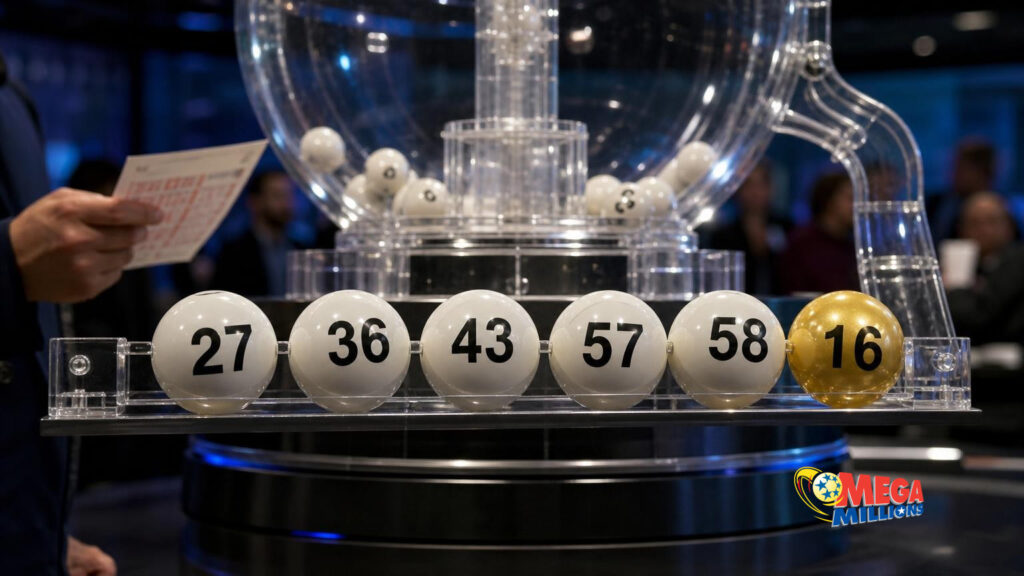
Winning numbers and draw data
- Draw date: September 15, 2026
- Main numbers: 27, 36, 43, 57, 58
- Mega Ball: 16
- Published jackpot: $244 Million
- Main-number sum: 221
- Odd/even split: 3 odd and 2 even
- Main-number range: 27 to 58 (spread 31)
- Previous draw compared: September 11, 2026
A consecutive 57-58 finish stood out in the Mega Millions results for September 15, 2026. The five main numbers were 27, 36, 43, 57 and 58, followed by Mega Ball 16. Together, the main numbers added up to 221, while the published jackpot was $244 million.
The 57-58 pair shaped the upper end
The adjacent values 57 and 58 were the draw’s only consecutive main-number pair. They were also the two largest main numbers, placing the consecutive sequence at the top of the result rather than in the middle or at the low end.
All five main numbers fell between 27 and 58. Subtracting the minimum from the maximum gives a spread of 31, which describes the distance covered from the lowest main number to the highest. The odd/even split was close: 27, 43 and 57 were odd, while 36 and 58 were even.
The main-number sum of 221 does not include Mega Ball 16. The two values in the 50s contributed 115 to that total, accounting for more than half of the combined main-number value. That helps explain why the sum was higher than in the preceding drawing.
The total increased by 40 from September 11
For the September 11, 2026 draw, the main numbers were 3, 30, 33, 53 and 62. Those numbers had a sum of 181. The September 15 total of 221 was therefore 40 higher, even though the earlier result included a larger maximum value of 62.
No main number from September 11 appeared again on September 15. The special ball also changed, moving from Mega Ball 22 in the previous draw to Mega Ball 16. These are direct comparisons between two results, not evidence of a continuing pattern.
A descriptive snapshot, not a forecast
The consecutive pair, 31-number spread, three-odd/two-even split and higher sum distinguish this result from the immediately preceding draw. They offer concise ways to describe how the numbers were distributed after the drawing took place. Random draws can produce consecutive values, changing totals and no carryover from one result to the next. These observations do not predict future Mega Millions numbers or indicate that any outcome has become more likely.